
"semi-forest coffee"
400 article(s) found

Forest coffee, semi-forest coffee, pastoral coffee and plantation coffee Ethiopian coffee beans
Specialty coffee is also known as specialty coffee. It refers to coffee made from green beans with excellent taste characteristics grown in a few extremely ideal geographical environments. Depending on the particular soil and climatic conditions in which they are grown, they have outstanding flavors. This type of coffee is carefully selected and graded for its hard texture, rich taste and wind.

Detailed analysis of forest and semi-forest system of four major cultivation systems of Ethiopian coffee
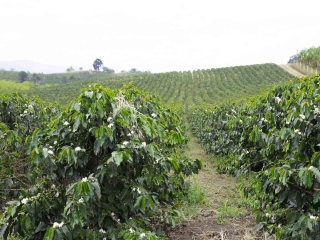
Forest coffee (Forest Coffee): wild coffee, which accounts for 10% of Ethiopia's national output, is distributed in the wild coffee forest areas of the west and southwest, also known as the Kafa forest. The dense trees here provide the most natural shade for coffee trees and do not need manual care. Mother Earth is in charge of birth, aging, sickness and death, and coffee farmers can go directly to the woodland to harvest. Hansen
Introduction to the nine boutique producing areas in Ethiopia the difference in flavor and taste of Yega Xidama coffee beans
Ethiopia has the most diversified coffee planting system in the world, including forest coffee, semi-forest coffee, pastoral coffee and plantation coffee. 90% of the coffee in Ethiopia comes from pastoral, forest and semi-forest, but large-scale entrepreneurial cultivation in Ethiopia is indeed very rare.

Flavor characteristics of all coffee bean producing areas in Ethiopia how much is a cup of Ethiopian coffee
Professional coffee knowledge exchange more coffee bean information please follow the coffee workshop (Wechat official account cafe_style) Jinma (bulk commercial bean producing area): 1350 to 1850m above sea level | Forest / semi-forest system | Jinma is the capital of Kafa forest or Kafa province. The English spelling is very messy, most of the maps are jimma, but the coffee sacks are spelled into Djimmah. This is Esseobi.

An introduction to the characteristics of the nine boutique producing areas in Ethiopia
Nine boutique producing areas in Ethiopia: Yega Xuefei (boutique producing areas): 1800-2000 meters above sea level | Pastoral Coffee system | Yega Xuefei is affiliated to the Sidamo producing area, so it is separated separately because of its unique flavor. In addition to the small town of Yega Xuefei, it also includes three by-product areas around Wenago, Kochere, Gelena and Abaya. So the new Yega Xuefei
An introduction to the flavor characteristics of the nine boutique producing areas in Ethiopia
Nine boutique producing areas in Ethiopia: Yega Xuefei (boutique producing areas): 1800-2000 meters above sea level | Pastoral Coffee system | Yega Xuefei is affiliated to the Sidamo producing area, so it is separated separately because of its unique flavor. In addition to the small town of Yega Xuefei, it also includes three by-product areas around Wenago, Kochere, Gelena and Abaya. So the new Yega Xuefei

Characteristics of several major coffee producing areas in Ethiopia introduction of varieties describing the flavor of manor beans
Ethiopian coffee bean flavor description taste Yilu Babo (bulk commercial bean producing area): 1350-1850 above sea level | Forest / semi-forest coffee system | this area is located in the west of Ethiopia, bordering Sudan, and is the most convenient producing area in the west. the complexity of coffee gene is only lower than that in Kafa forest, and the bean grain is significantly larger than Yerjasuffi and Sidamo, with low acidity and good viscosity.

Sidamo Lion King hand Chong parameters temperature grindability Powder / Water ratio recommended Flavor and taste description
For professional baristas, please follow the coffee workshop (Wechat official account cafe_style) Ethiopian name: Ethiopia location: East African Capital: Adis Abba Addis Ababa Religion: Christian main language: Amharic time Zone: GMT+3 Metrics: metric (Metric) currency: bill Birr (1 $20 birr) Agricultural products (Export): coffee, Flowers,

What are the unique flavor and taste characteristics of Ethiopian coffee beans in Ethiopia?
Yega Xuefei (boutique producing area): 1800-2000 meters above sea level | Pastoral Coffee system | Yega Xuefei is affiliated to the Sidamo producing area, so it is separated separately because of its unique flavor. In addition to the small town of Yega Xuefei, it also includes three by-product areas around Wenago, Kochere, Gelena and Abaya. It happens to be on the edge of the East African Rift Valley, and the terrain is complex. From

Ethiopian pastoral coffee cultivation system coffee bean cultivation system distributed in Ethiopia
(photo from: national Geographic Chinese website Photo: Amivitale,Panos) according to Qianjie Coffee Consulting, 90% of coffee in Ethiopia comes from pastoral, forest and semi-forest, but large-scale corporate cultivation is rare in Ethiopia. According to the scale and model, the cultivation of Ethiopian coffee can be divided into four types: 1, forest coffee Forest C

Sidamo Vishi Honey West Arsi Village introduces the flavor of Sidamo coffee
Professional coffee knowledge exchange more coffee bean information Please follow Coffee Workshop (Wechat official account cafe_style) West Arsi is located between the famous Yirgacheffe coffee growing area and Hararge, but its coffee has not been recognized in history. However, the high altitude of the area bordering the famous Harrenna Forest began to attract people's attention. R of West Arsi

Ethiopian coffee production methods how Ethiopian coffee is produced sustainably
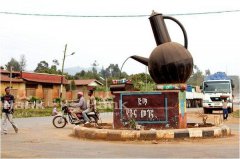
Ethiopian coffee production methods Ethiopian coffee is usually produced in a sustainable manner, mostly as garden coffee. This means that it is planted by farmers near their houses and is often intercropped with other plants. It is also common for producers to grow coffee in the semi-forest system. In the semi-forest system, the natural forest is transformed and trimmed.
Yega Sheffield Coffee Taste describes the planting situation in Yejashefi Coffee Coffee producing area
For professional baristas, please follow the coffee workshop (Wechat official account cafe_style). The Ethiopian cultivation system is the most diverse. Forest coffee (Forest coffee) refers to wild coffee trees in primeval forests. Protected by the government, there are special personnel to harvest. The total output is only 510%. two。 Semi-forest coffee (Semi-forest coffee) refers to semi-wild coffee, which is regularly pruned by farmers.

A brief introduction to the boutique coffee producing areas in Ethiopia-Lim 04
The pastoral, forest, semi-forest and plantation coffee system at 1200-1900 m above sea level in Limu is located in the highland plains of western Ethiopia. The average planting height in this area is significantly lower than that in other areas, but it does not hinder the availability of quality coffee. The Lim producing area is located in the southwest of the capital, and you can reach Jinma further south. Both places belong to the coffee forest, north of Lim and Jinma.
Yega Sheffield Sun treatment Class in Ethiopia Coffee producing area Magi BenchMaji Esseobi
Ethiopia coffee producing area mainly has eight major coffee producing areas: Ekempti, Limu, Illubabor, Djimma, Harrar, Teppi/Bebeka, Sidamo, Yirgacheffe. Ethiopian coffee is highly rated in Taiwan, especially when compared with Ethiopia's Harrar, Sidamo and Yirgacheffe.

The introduction of the nine boutique producing areas in Ethiopia, the parameters of the Lion King hand Chong in Xidamo
Ethiopian name: Ethiopia location: East African Capital: Adis Abba Addis Ababa Religion: Christian main language: Amharic time Zone: GMT+3 Metrology: metric (Metric) currency: bill Birr (1 $20 birr) Agricultural products (export): coffee, flowers, sesame are the main cash crops export port: Djibouti, now
What is the Red Cherry Project? The most accurate coffee map of Ethiopia!
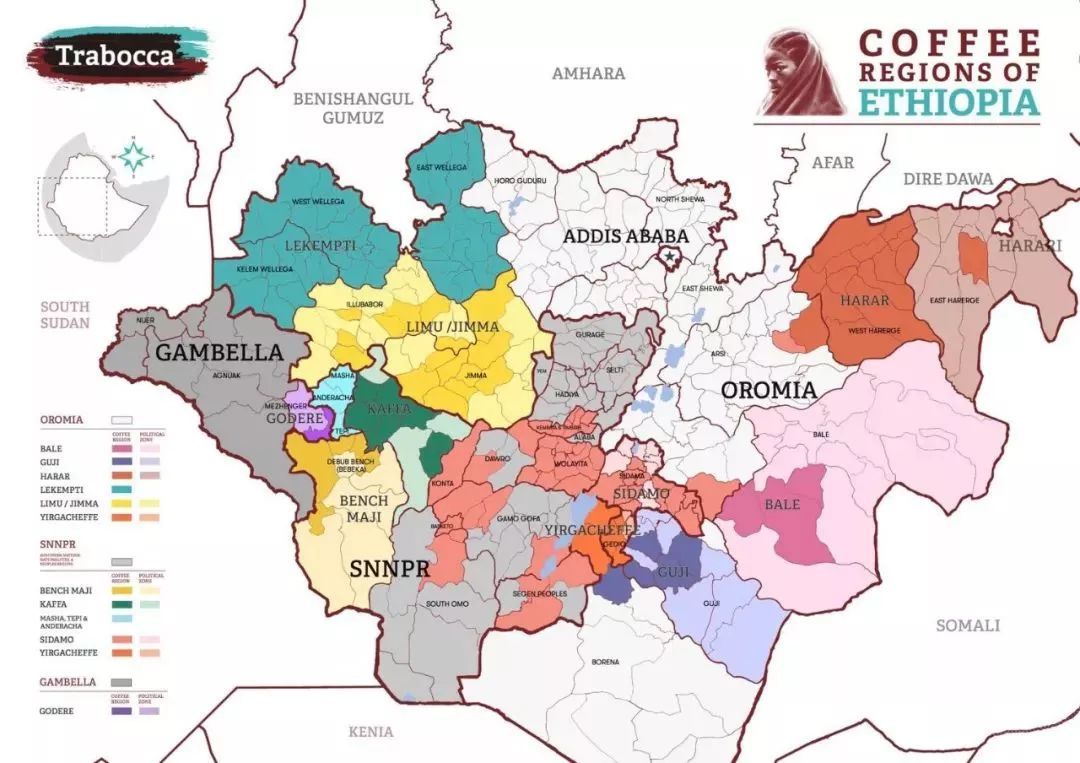
Professional coffee knowledge exchange more coffee bean information Please follow the coffee workshop (Wechat official account cafe_style) We often hear about the red cherry project, Ethiopia is the birthplace of coffee beans, the development rate of local tree species is very low, so we usually call Ethiopian tree species native species, because we have no idea how many coffee trees this piece of land is made of.
Yega Xuefei Sun treatment Bancimaji how to buy good coffee beans online to buy coffee beans need
1. When buying beans online, you should pay attention to the production date, shelf life, packaging and sealing, the roasting degree of coffee beans, the types of coffee beans, and your utensils to determine what kind of beans you want. If you use blue mountain beans to make ESP, it is indeed a maverick way, but it is also too unprofessional and expensive, and the taste is not very good. The production date must be at least

Ethiopian coffee bean native species of coffee bean producing area description of taste and flavor
Ethiopia has nine major coffee producing areas:, Sidamo, Yegashefi, Hara, Gemma, Lim, Iruba, Gimbi (Lekanti), Tibby, and Bebeca. Among the nine major coffee producing areas in Ethiopia, the most famous are Yegashifi, Sidamo and Harald, the largest coffee producing areas.
Apart from Yega Xuefei, what other producing areas in Ethiopia? the whole introduction of Ethiopian coffee producing areas.
Professional coffee knowledge exchange more coffee bean information please follow Coffee Workshop (Wechat official account cafe_style) [Ethiopian Coffee producing area] there are nine major coffee producing areas in Ethiopia:, Sidamo, Yegashifi, Hara, Gemma, Lim, Irubarb, Kinby (Lekanti), Tibby, Becca. Among the nine major coffee producing areas in Ethiopia, nothing is more famous than